
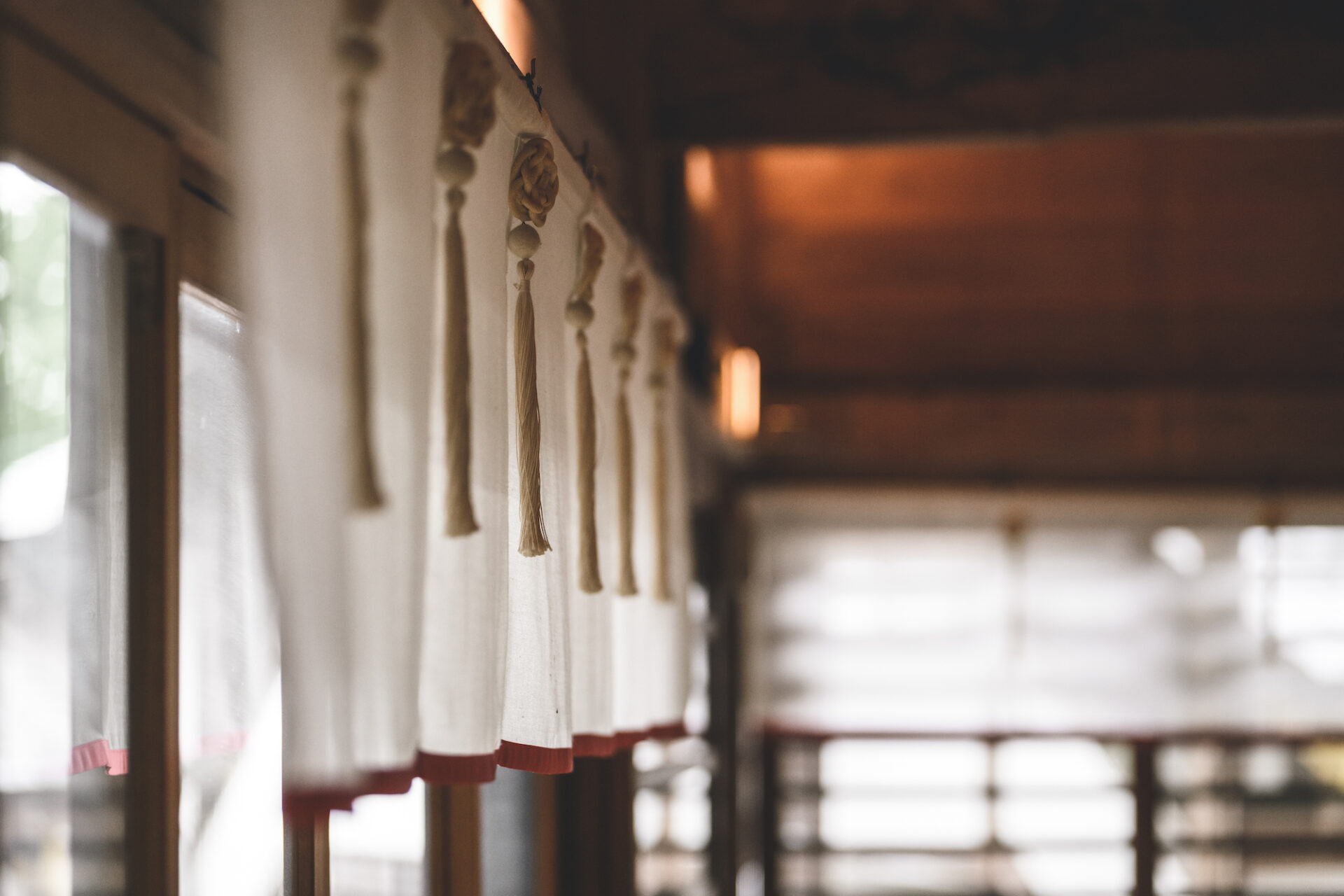
2026-09-17
Vol.31
27th Chief Priest of Yamana Hachimangu Shrine, Member of the Gunma Prefectural Assembly
Shunichiro Takai(part 1)
-
Mission, Not a Job
-
The Bond Forged by Latent Issues
-
The Human Strength of Being Imperfect
-
Facing the Reality of Regional Revitalization Together
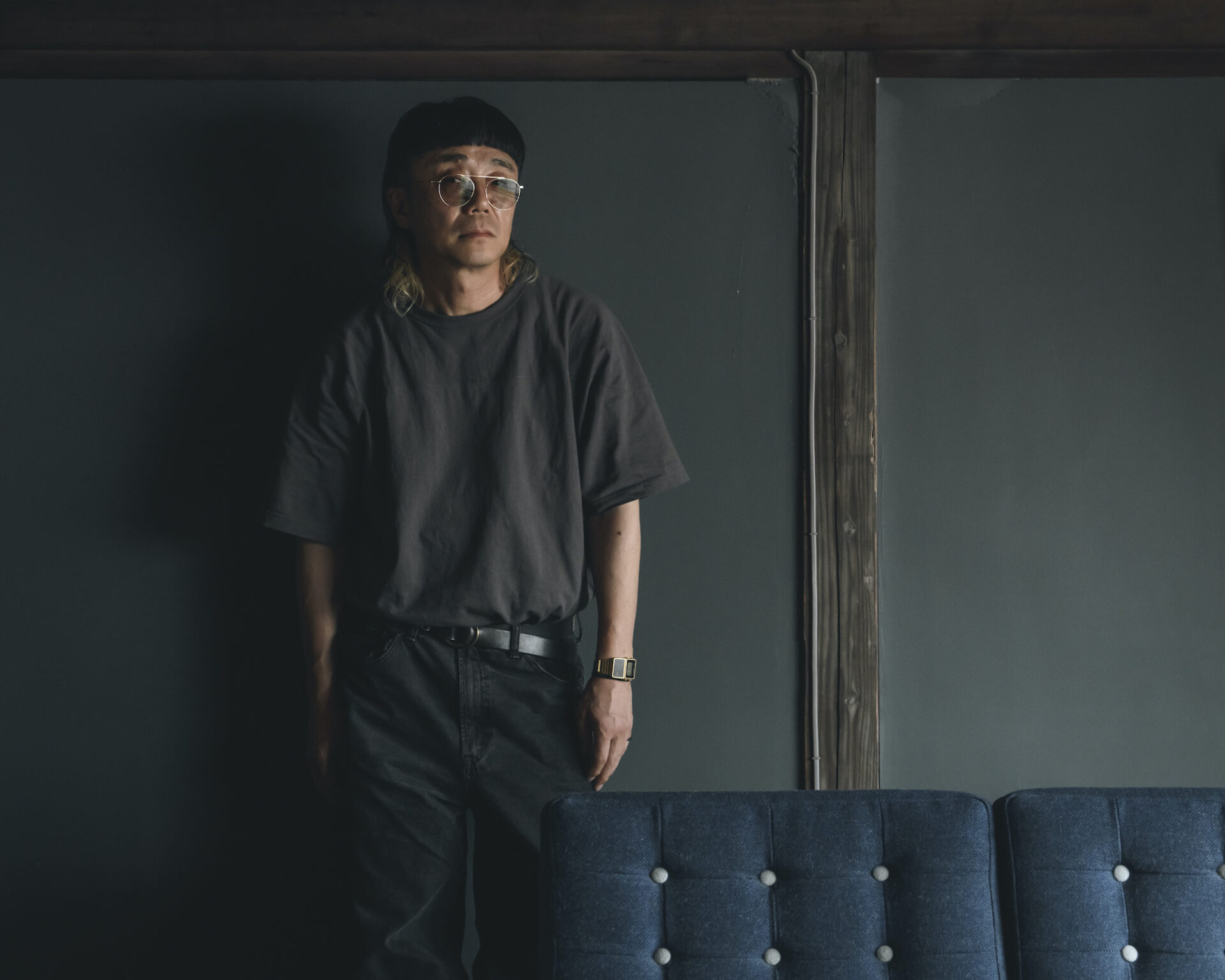
“If you only preserve tradition as it is, it will eventually decay.” So says Shunichiro Takai, the 27th chief priest of Yamana Hachimangu Shrine, a shrine with an 851-year history. Breaking free from conventional shrine practices, Takai has revitalized the place by bringing a bakery and a cafe onto its grounds. Across the table is Masakazu Shigeta, founder of the cosmetics brand OSAJI, who this spring opened a new store in Kyoto inside a building that had housed a sake brewery for 245 years — another example of his ongoing efforts to balance preserving history with keeping economic value circulating.
What began with a familiar question about protecting children from UV exposure has grown, through steady efforts to address local issues such as childcare support and community development, into creative work at the intersection of ancient notions of instinct and intuition, and the genetic phenomenon called microchimerism.
Sharing the belief that “we must keep changing in order to preserve what should not change,” how will these two pass the baton of tradition on to the next generation? Through a conversation exploring the essence of history, design, and the human spirit, the two discuss what transformation and preservation can truly mean in contemporary society.
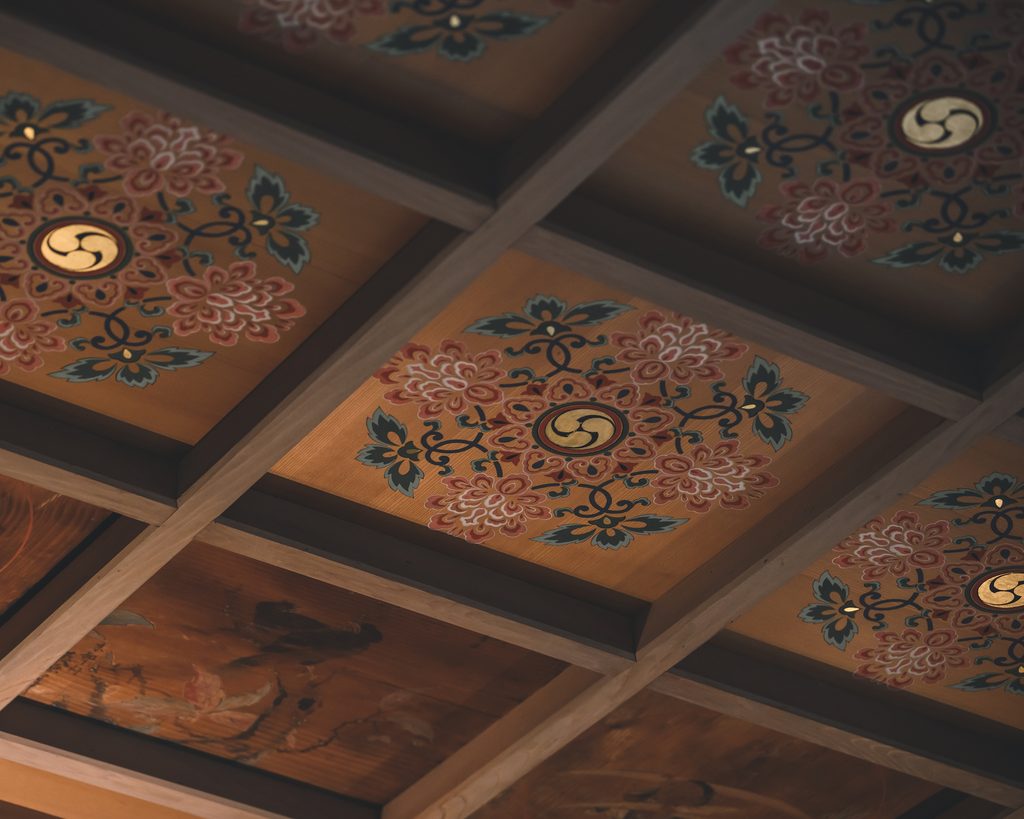
“What I’ve come to realize through running a shrine as a public place is that, if you focus on money too much, you can ruin the place, but if you don’t have enough money, it also won’t function.” (Takai)
——Mr. Takai, you are currently serving as the 27th chief priest at Yamana Hachimangu Shrine as well as a member of the Gunma Prefectural Assembly. How do you divide your time and focus between these two roles?
Shunichiro Takai: Actually, I don’t really think of serving at the shrine as a “job.” Of course, as part of my mission as the chief priest here, I always enter the main hall before 6 a.m. on the 1st and 15th of every month — when the tsukinami-sai, or the monthly festival, is held. The day before each of these dates, I clean the entire shrine grounds and prepare offerings for the deity. I never skip any of that, but I still don’t feel like I’m “doing it as a job.”
——So, does your routine as a chief priest feel like your life itself?
Takai: That’s right. To begin with, I don’t receive a salary from the shrine. Any profits the shrine makes should be distributed among the staff working here. For me, it’s less about working for a salary and more about a sense of mission: protecting this place and its history. It feels more like a duty to make sure the festivals keep going.
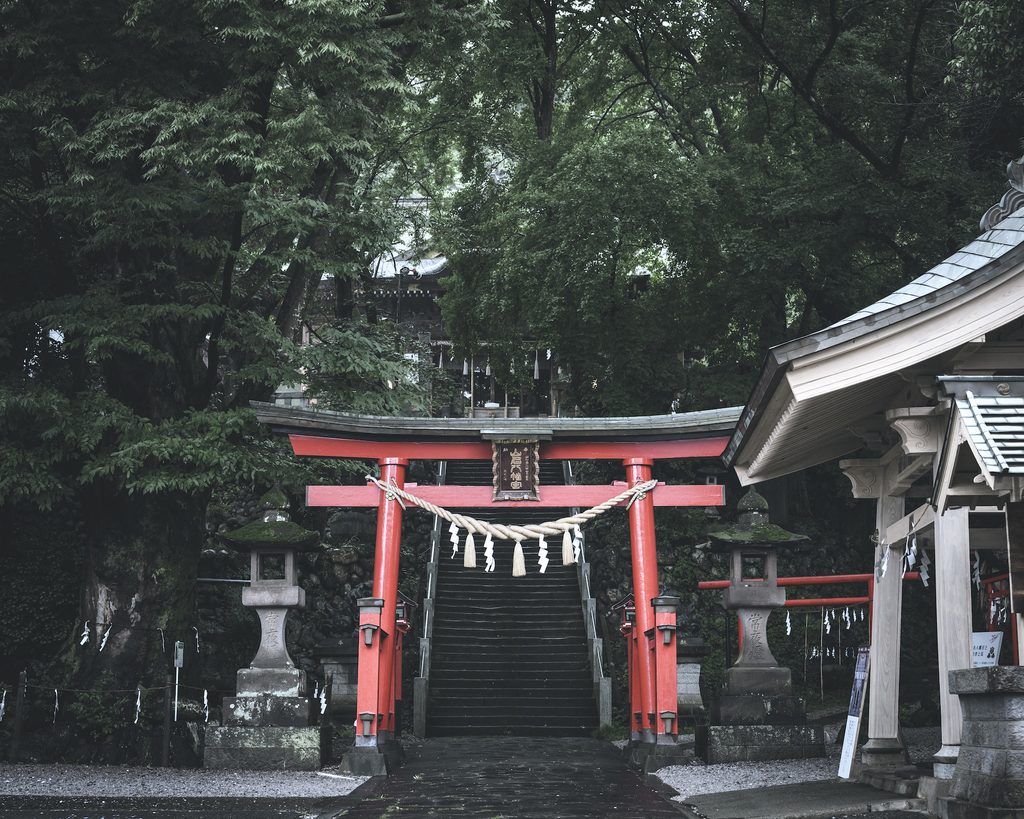
——I understand you were around 25 years old when you set out to revitalize the Yamana Hachimangu Shrine, and it sounds like things were quite difficult at the time. Even then, did you think of it as a “job”?
Takai: To tell you the truth, I couldn’t make a living at all back then. (laughs) That being said, it never occurred to me to separate myself from the shrine and find work elsewhere. In a sense, this place and I were inseparable, so I determined to stay and see it through. So, rather than a job, “mission” is really the word that feels right to me. Whether the pay was high or low, whether I got paid or not, I felt I had no choice but to make a life here.
——Serving as a member of the Prefectural Assembly is different in nature.
Takai: Right. Being a politician means you can’t keep the job if you lose an election, no matter how much you want to. On the other hand, you can never quit being a chief priest. It’s a position that you simply cannot separate from yourself.
However, the two also have things in common — both involve what you might call a “public function.” This is true whether you’re a member of the Prefectural Assembly, a mayor, or a governor. Operating a public space is fundamentally different from pure business, where the goal is to maximize outcomes and return profits to shareholders.
What I’ve come to realize over the past 25 years of running a shrine as a public place is that you can ruin it by focusing on money too much, but it also won’t function if you don’t have enough. I feel the sense of balance — knowing exactly how to strike that delicate balance — is something I’ve learned through the messy, trial-and-error experience of running this shrine.
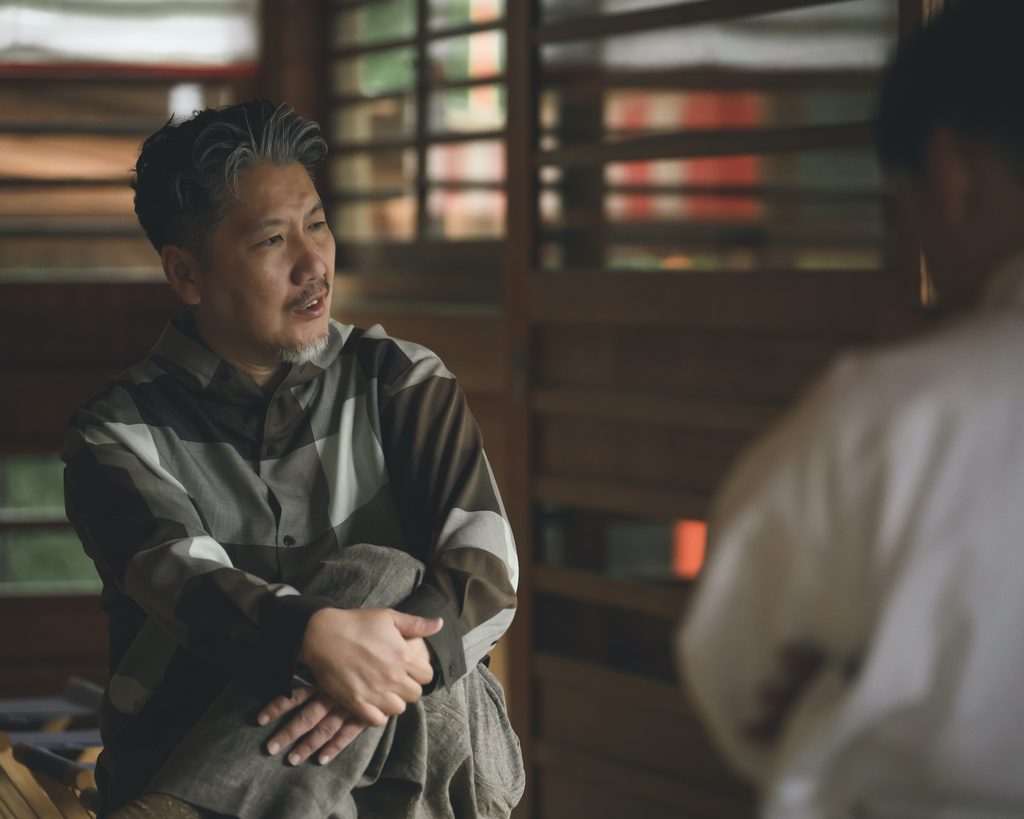
“I approached Mr. Takai to ask if he would help us — that’s how we first met.” (Shigeta)
——How did the two of you first meet?
Masakazu Shigeta: It all started when we decided to hold a public lecture on “UV protection for children.” At the time, my child was still small, and I happened to discover that some public elementary schools had a rule prohibiting students from bringing sunscreen to school. I wasn’t trying to overreact, but statistically speaking, the amount of UV radiation children are exposed to during childhood today is dramatically higher than what we were exposed to when we were children.
UV doesn’t cause illness immediately — rather, the damage accumulates in the skin over decades and can eventually show up as health problems such as skin cancer when people reach their 50s. That’s what makes UV exposure so dangerous. In Australia, for example, it’s perfectly normal to have large buckets of sunscreen placed at classroom entrances for students to use. But at Japanese elementary schools, children were not allowed to bring sunscreen from home. What’s more, at the time, there were hardly any sunscreens on the market designed with skin-care safety in mind for children’s daily use.
So, we decided to hold a public lecture to raise awareness of the importance of protecting children from UV exposure, in cooperation with a dermatologist from Gunma University. To make the lecture a success, I approached Mr. Takai, who was active in the local community and happened to have a mutual acquaintance, and asked if he would help us. That was when we first met. At the time, Mr. Takai was serving on the city council.
——Do you remember what you thought of Mr. Shigeta at the time?
Takai: I remember it very well. He asked me to help because he wanted to fill the 300-seat hall. All I really did was post about the event on social media and ask people around me to come. But when the day came, the 300-seat hall was completely full — there were even people standing in the back.
I had held events at that hall throughout the year through my activities with the Junior Chamber, so I knew how difficult it was to fill the hall on your own. Seeing him achieve it so easily — although it may have been a lot of work for him — I was deeply impressed. I remember thinking, “This man has an incredible amount of power and energy.”
Shigeta: We didn’t do anything special to make it happen. I think it was simply that so many parents already felt, deep down, that this was an issue. Another major factor was that some companies sympathized with the social significance of what we were trying to do and supported our efforts.
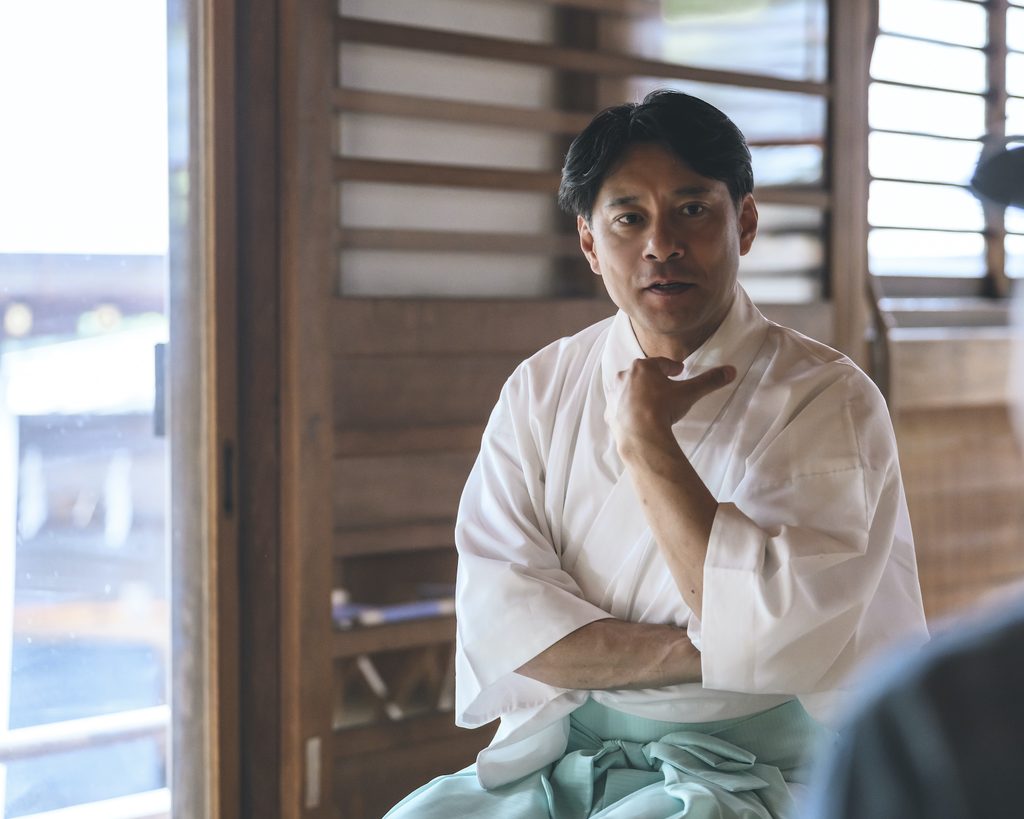
“Precisely because I’m not perfect, the people around me come together and help me.” (Takai)
——In a video clip posted on YouTube, Mr. Takai’s wife said of him, “He has a lot of wonderful people around him, and he keeps moving forward working with them to solve problems.” Mr. Shigeta, as one of those people, what do you think draws such talented people to Mr. Takai? Where do you think his strength as a person comes from?
Shigeta: I believe there are two broad types of people in the world. One type accepts common sense as common sense and adapts to it. The other type questions that common sense itself, wondering, “Isn’t there something a little strange about this?” Roughly speaking, I’d say the former makes up 80% of the population, while the latter accounts for about 20%.
Mr. Takai himself, of course, belongs to that 20%, as do the people who are drawn to him. I’m also the type of person who wants to go back to the very beginning and ask, “Why do we have to take this as a given in the first place?” That’s why I feel such a strong sense of affinity with him.
——What makes you think that Mr. Takai is the type of person who questions common sense?
Shigeta: Because if you think about it in terms of common sense, who would ever think of opening a bakery at a shrine so overgrown with vegetation that hardly anyone visited it anymore? And the idea of bringing back the kind of community-center function that shrines once served in the old days could never come from people who accept common sense as it is. But in reality, you’ll find fundamental solutions only outside the framework of common sense.
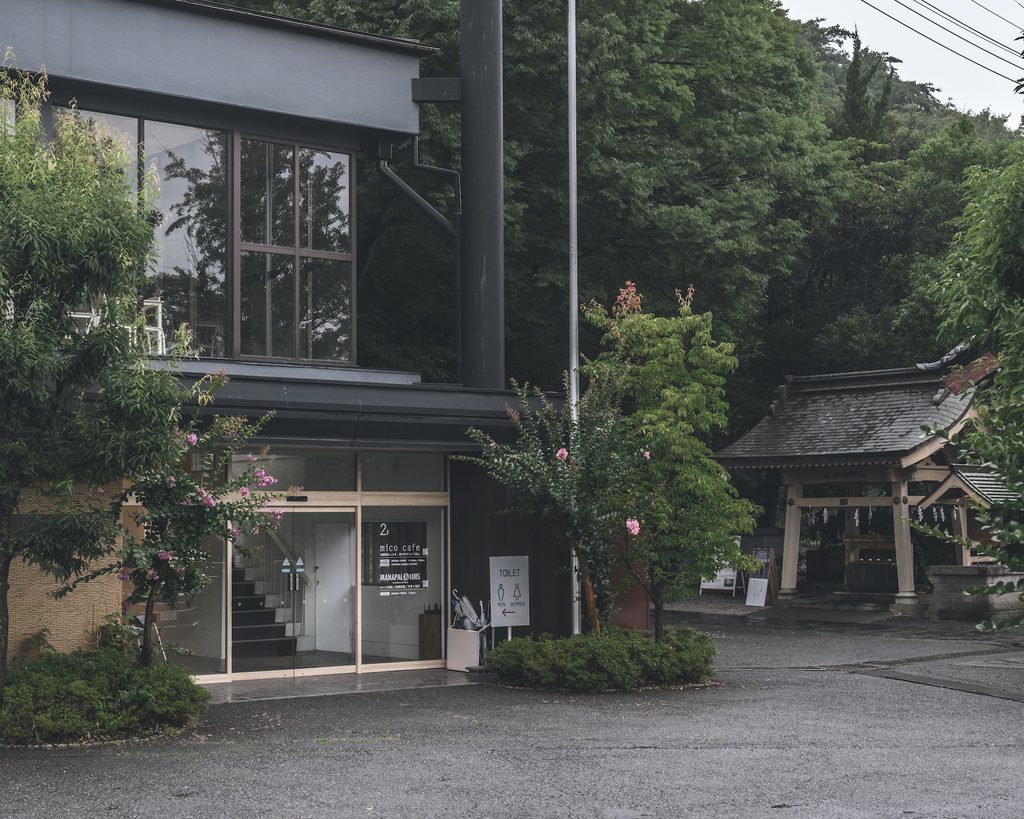
There’s an episode involving Mr. Takai that has stayed with me vividly. One day, some elementary school children were doing their homework at Mico Cafe(*1), located on the second floor of the shrine grounds, after school. A teacher came all the way to the cafe to warn them because, under the school rules, they were not allowed to stop anywhere on their way home. The children became visibly unsettled, worried they would be scolded. That’s when Mr. Takai told them, “Don’t worry. I’ll go talk to the teacher. You all just stay here and finish your homework,” and he immediately went outside to speak with the teacher himself.
School rules are certainly rules. But at the same time, after-school childcare programs around Takasaki didn’t have enough capacity, and many children couldn’t get a place. On top of that, many families needed both parents to work to make ends meet. In light of that reality, it was the existing rules that had become out of step with society. Mico Cafe was, in effect, serving as a kind of privately run, community-based after-school childcare facility for these children and their parents.
——Seeing Mr. Takai in that situation, what did you think, Mr. Shigeta?
Shigeta: That was the moment I saw what his approach really meant— when imposing unreasonable rules alone cannot lead to a constructive solution, how should we, as adults, engage in dialogue and protect the children? That’s exactly the attitude he showed me.
Many people simply give up, thinking, “Rules are rules.” But Mr. Takai asks a straightforward, sincere question: “There must be rules that allow people to live better.” He isn’t afraid to change things, and he acts immediately to make that happen. I think it’s that strong energy and attitude that draws people to him.
Takai: Well, if I had to put it in one word, I think it’s because I’m a person with a lot of shortcomings. Precisely because I’m not perfect, the people around me come together and help me.
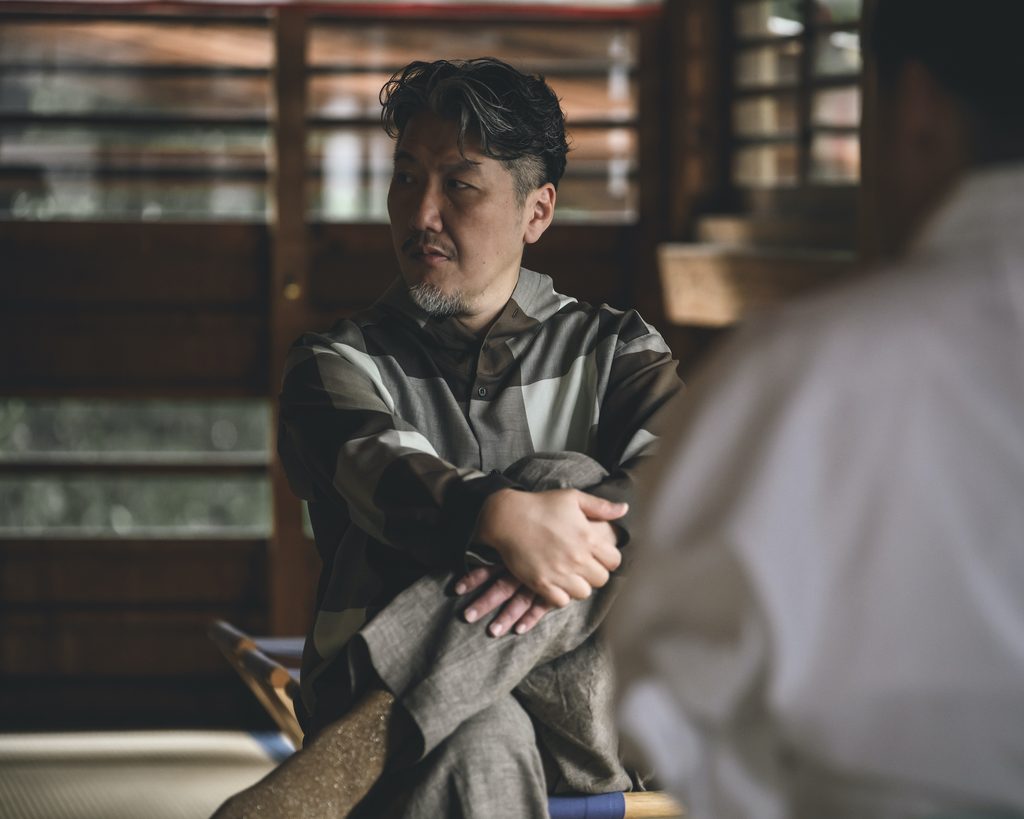
“When you try to start something in a local area, you would stumble over far more basic problems than you ever would have anticipated on paper.” (Shigeta)
——The two of you have collaborated on several projects so far.
Shigeta: Starting with UV protection for children, and in addition to sunscreen development, we launched an apparel business at our company (Nitto Denka Kogyo) to make UV-protection clothing. At the time, we had several single mothers working at the company, and all of them had backgrounds in the apparel industry. Through talking with them about opening a store somewhere that could offer clothing like this, along with curated select items, I intuitively thought, “It would be really interesting if we could do it at Yamana Hachimangu Shrine” — because it’s the shrine associated with safe childbirth and child-rearing. I was also drawn to Mr. Takai’s activities.
I immediately approached Mr. Takai and asked if there was anywhere in Yamana Hachimangu where we could try something like this. He let us set up a select shop called “Osoto” in a space in the hall below the shrine grounds. We operated it for about two years, starting in 2017. I feel that this project was a turning point that brought Mr. Takai and me much closer together.
Takai: It was around the time when the major renovation of the shrine grounds, led by architect Yuko Nagayama and her team, was about to be completed.
Shigeta: Yes, it was about a year after you opened Piccolino(*2). I worked with Mr. Takai on all kinds of things, without ever worrying about profit or our respective interests. We launched “sixth-industry” projects involving local farmers — bringing together production, processing, and sales to boost the value of local products. We would stay up late talking about what kinds of shops or activities could move into the vacant storefronts around Yamana to help revitalize the area. Through these hands-on efforts in community development and sixth-industry initiatives, I experienced firsthand how difficult regional revitalization is.
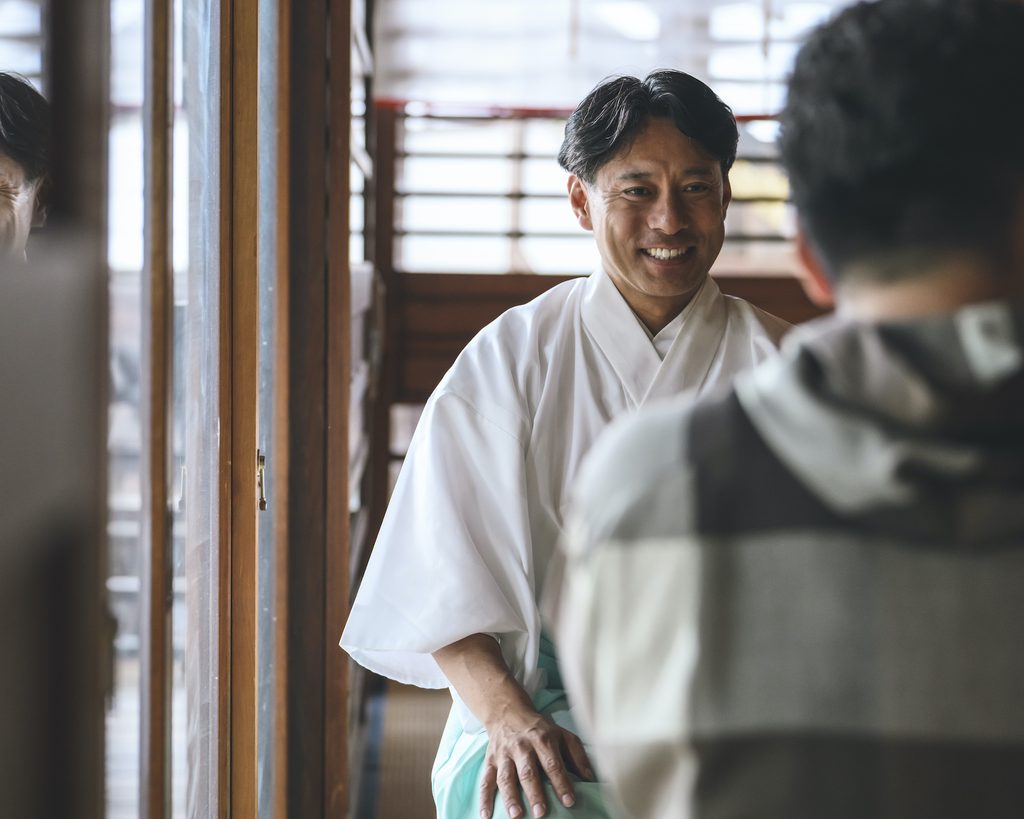
Takai: Mr. Shigeta puts it very nicely, but in reality, it was mostly me throwing all kinds of unreasonable demands at him. (laughs)
Shigeta: When we launch a project in Tokyo, we usually start with members who have, to some extent, a certain level of knowledge and share the same basic understanding. So, things tend to move smoothly. But when you try to start something in a local area, people with different levels of knowledge and different backgrounds come together. Then you stumble over far more basic problems than you ever would have anticipated on paper. Before we even get to the point of “running out of money,” some of the people involved might leave halfway through, saying something like, “This isn’t what I expected,” or “I thought I’d be able to get something out of this.” (laughs)
It was a valuable experience that taught me just how difficult it is to accomplish something with a team whose members have different levels of knowledge, and I learned what diversity truly means. Moreover, it was precisely because of these experiences that I came up with the idea that cosmetics development could be an interesting “exit point” for our “sixth industry” work. That became the basis for what we are doing now in Minakami, Gunma, where we have started growing sunflowers to produce hair oil made from 100% domestically sourced ingredients.
(To be continued in Part Two)
Notes:
*1_Mico Cafe
Opened on the grounds of Yamana Hachimangu Shrine as part of a renovation project in the mid-2010s, Mico Cafe is a “kids’ and maternity cafe” that uses locally sourced ingredients and aims to create a space where parents with children and expectant mothers can feel comfortable and at ease. Going beyond the role of an ordinary cafe, it also serves as a local community center, a role that shrines once played, and is a welcoming space for children after school and a hub for interaction among parents raising children.
*2_Piccolino
A bakery located on the grounds of Yamana Hachimangu Shrine. Wanting to provide safe, healthy food to families raising children, Takai personally approached Mikio and Keiko Ito, a couple making bread in Kochi Prefecture, and asked them to open a bakery at the shrine. His efforts led to the bakery opening in 2016. The bakery pursues bread that is simple yet hearty, using only wheat from Gunma Prefecture, homemade natural yeast, water, and salt. It gives worshippers and local residents a reason to visit the shrine in their everyday lives, bringing new activity and vitality to the shrine.
Profile
-
Shunichiro Takai
Born in Takasaki, Gunma Prefecture, in 1975, Takai graduated with a degree in Shinto Studies from the Faculty of Letters at Kokugakuin University and spent time overseas before joining the service at Yamana Hachimangu Shrine in 2002. In 2012, he became the shrine’s 27th chief priest. Guided by his belief in “making shrines hubs of local communities,” he has led a sustainable revitalization of the shrine through unconventional approaches, such as bringing a bakery, cafe, and unlicensed childcare facility to the shrine grounds. While expanding his knowledge of management and business by earning a master’s degree in public management from the Graduate School of Political Science at Waseda University and studying at Globis, he served on the Takasaki City Council and was first elected to the Gunma Prefectural Assembly in 2019, where he is now serving his second term. Bringing together the different perspectives of a shrine priest and a politician, he takes a multifaceted approach to preserving history and addressing local issues.
-
Masakazu Shigeta
Shigeta began his career in a technical role in the music industry before becoming a cosmetics developer in 2001. Beginning in 2004, he led the development of various cosmetics brands within the healthcare division of Nitto Denka Kogyo Co., Ltd., a metal surface treatment company founded by his great-grandfather. In 2017, he founded OSAJI, a skincare lifestyle brand, and became its brand director. In 2021, as a new store under the OSAJI brand, he launched kako, a specialty shop dedicated to home fragrance blending, and in 2022, he opened OSAJI’s first restaurant, enso. In 2023, leveraging Nitto Denka Kogyo’s technical expertise, he launched HEGE, a tableware brand, and became CEO of OSAJI Inc. in October of the same year. In 2026, as a personal project, he opened Shirakabaso, a private rental lodging facility in Sarugakyo Onsen, Gunma Prefecture, and launched OSAJI Kyoto, the brand’s global concept store in Kyoto’s Gosho Minami district. In the same year, he launched soca, a fragrance brand rooted in Japan’s unique aesthetic sensibilities. He has published books on beauty and regularly holds cooking classes and events focusing on food as the foundation of beauty.
Publications
Taberu Biyou (Eating for Beauty) (SHUFU TO SEIKATSU SHA, 2024)
42-Sai ni Nattara Yameru Biyou, Hajimeru Biyou (Beauty Routines to Quit and Start at 42) (Takarajimasha, 2022)
Information
Yamana Hachimangu Shrine
Located in Takasaki, Gunma Prefecture, Yamana Hachimangu Shrine has long been worshiped as a shrine for safe childbirth and child-rearing, and boasts a history spanning 851 years. From around 2015, it began a major renovation and revitalization project with architect Yuko Nagayama and her team. In addition to redesigning its logo, charms, and amulets, the shrine has promoted the creation of spaces that blend the weight of tradition with a contemporary perspective, including bringing a natural yeast bakery and a cafe onto its grounds. Going beyond its role as a place of prayer, the shrine has come to serve as a new community hub where local residents gather and find peace.
https://yamana8.net/
-
Photographs:Eisuke Komatsubara
-
Text:Masahiro Kamijo

NEWS LETTER
理想論 最新記事の
更新情報をお届けします
ご登録はこちら
ご登録はこちら
メールアドレス
ご登録ありがとうございます。
ご登録確認メールをお送りいたします。