
2026-02-17
Vol.24
jABBKLAB Founders & Directors
yurinasia & ayumugugu(part 2)
-
Picking a Fight with Tokyo
-
Showering Everyone with Unconditional Love
-
Making Sound with the Body
-
A Secret of a Great Partnership — Sharing the Dislikes
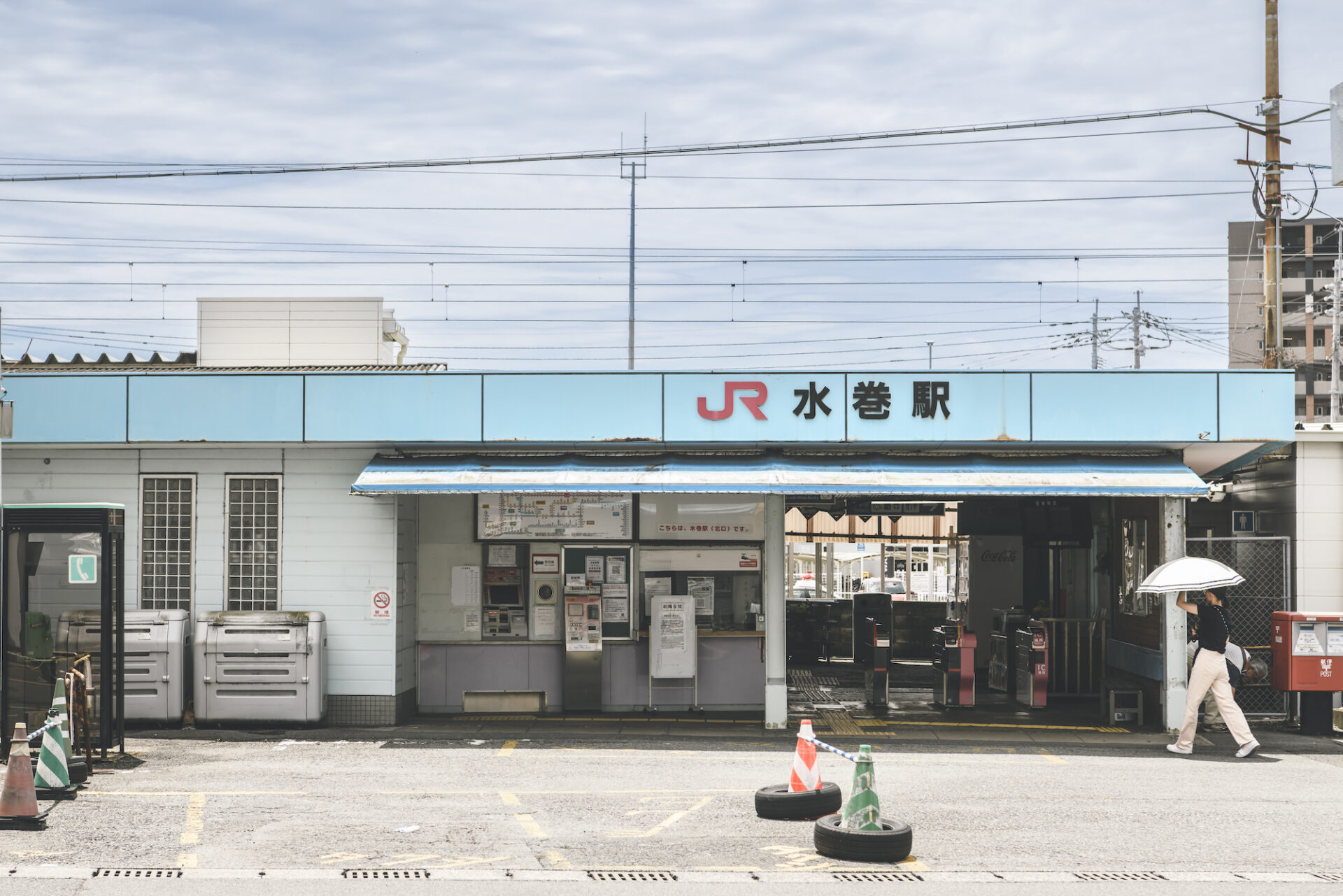
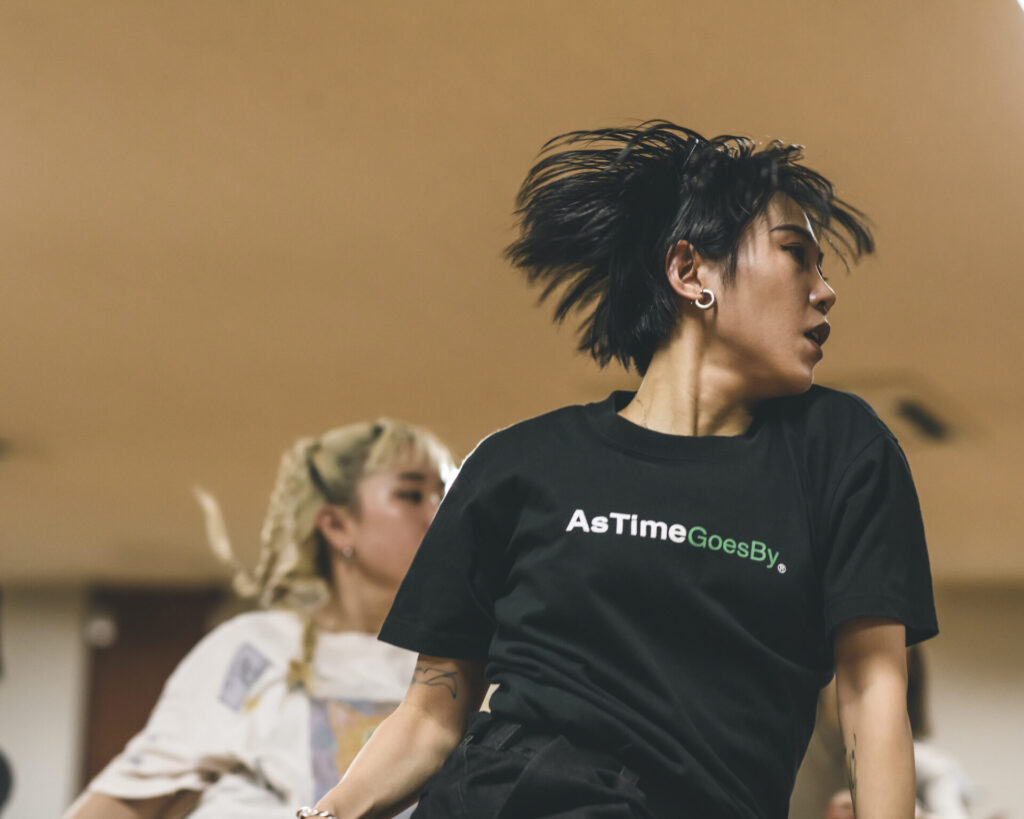
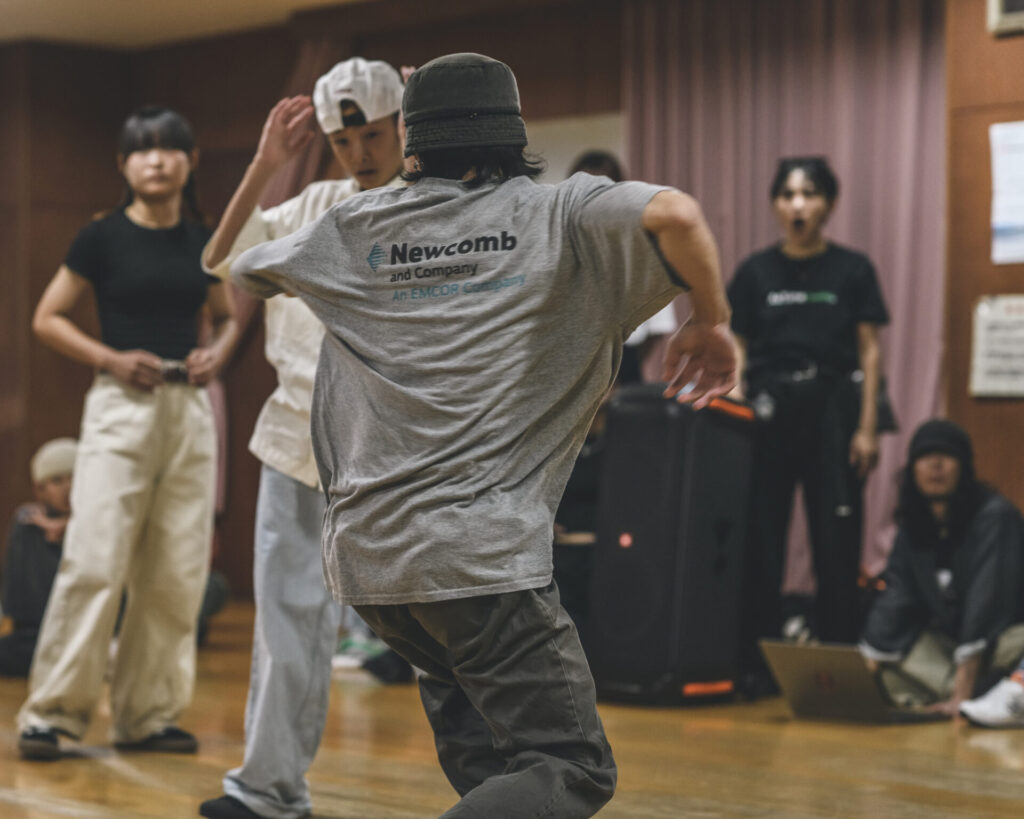
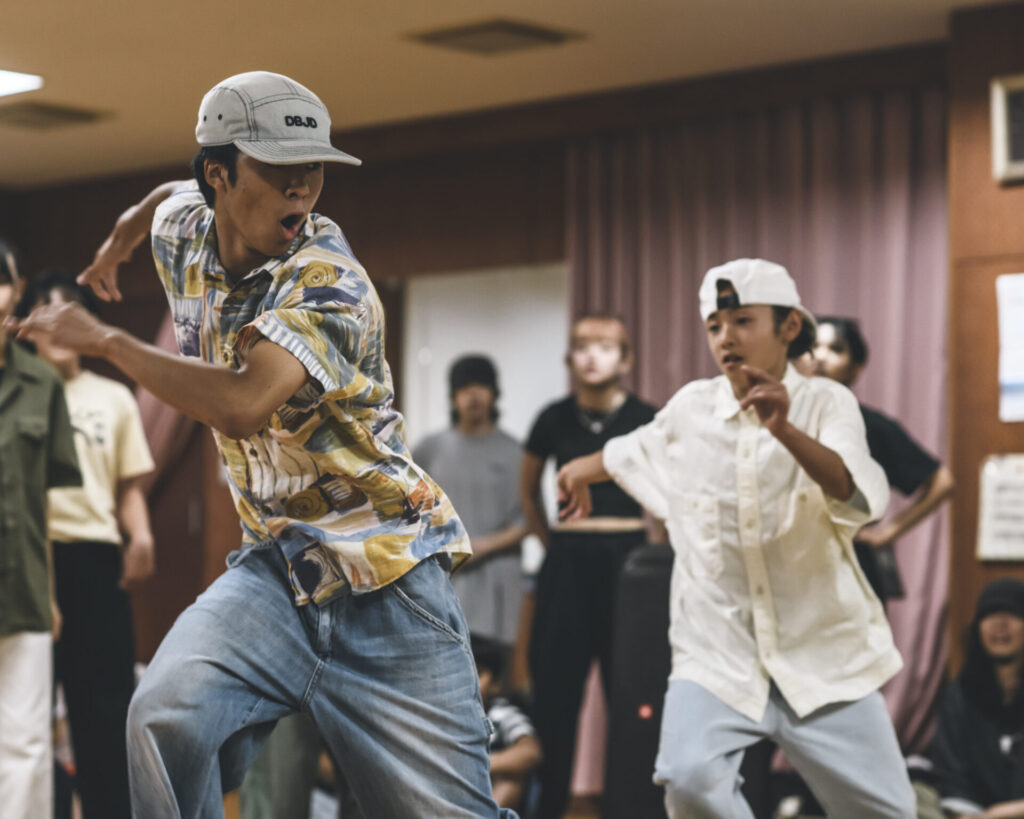
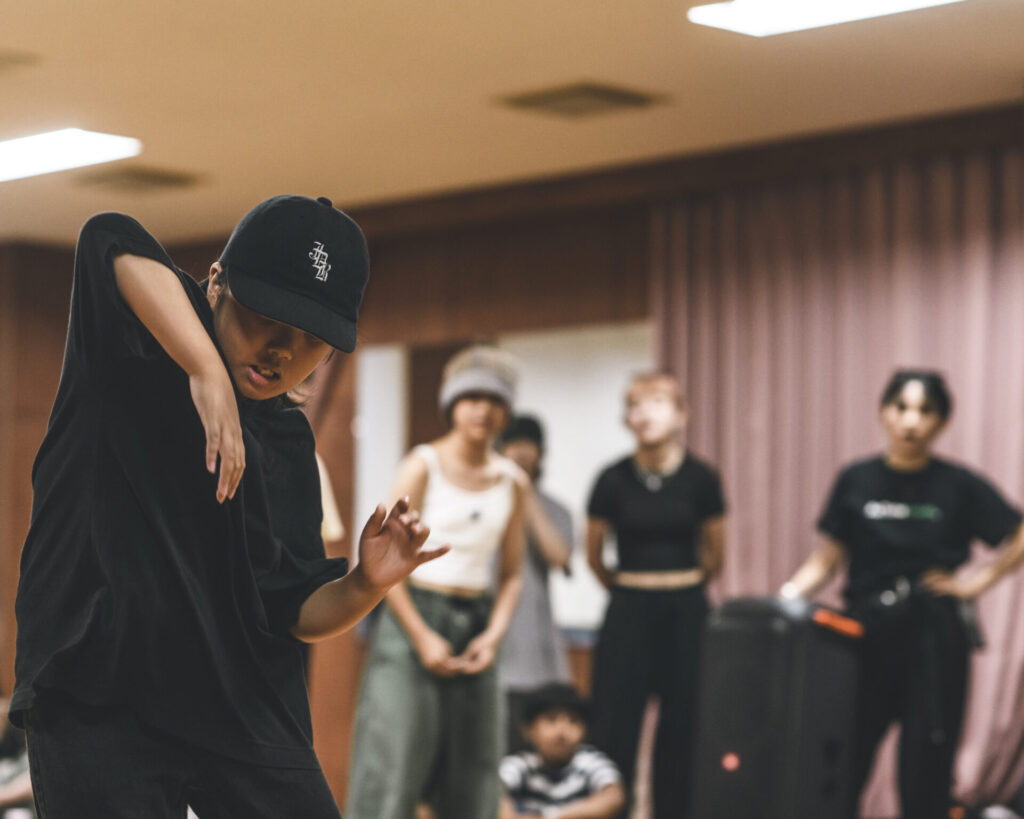
On Friday evenings, a local community center in a quiet rural town — about an hour’s drive from Hakata — erupts with energy. As music pounds through the speakers, dancers leap and spin on their backs and heads. No one holds back from striking bold poses, while dynamic movements unfold one after another. For less experienced children, adults offer encouragement with lively gestures and moves.
In Mizumaki Town, Fukuoka, there’s a place known as a sanctuary of dance. People of all ages — from preschoolers to adults — come together to dance and express themselves freely. Among the students — called members — many dancers have gone on to win national competitions or appear in music videos and TV commercials.
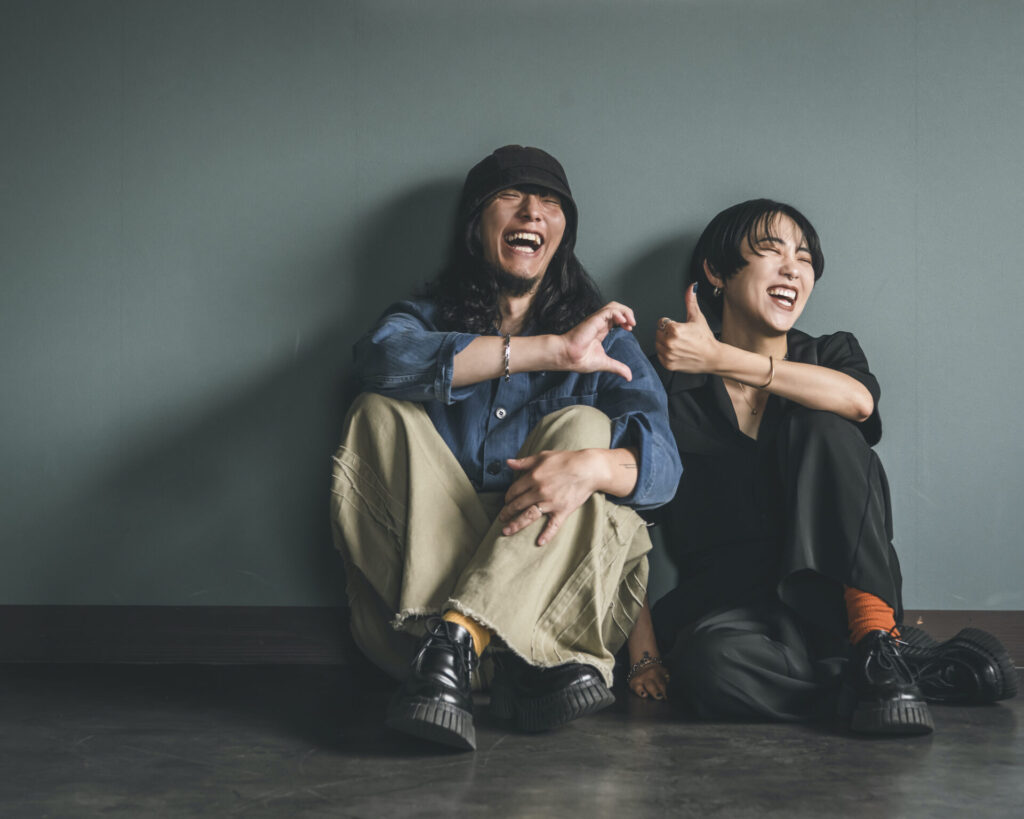
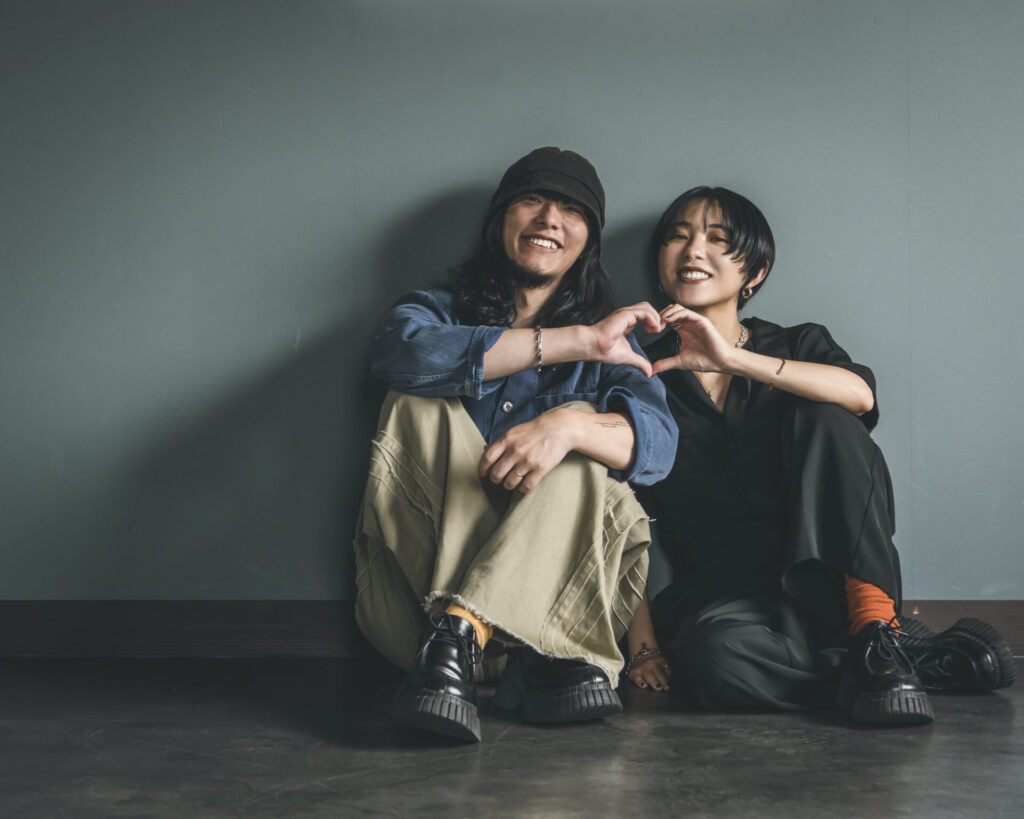
Our guests today are dancers yurinasia and ayumugugu, who run this unique dance hub, jABBKLAB. We spoke with them about their passion for dance, how their distinctive approach shines from Mizumaki to Tokyo and beyond, and why they continue to base their activities in this small town.
(Click here for the first half of the interview.)
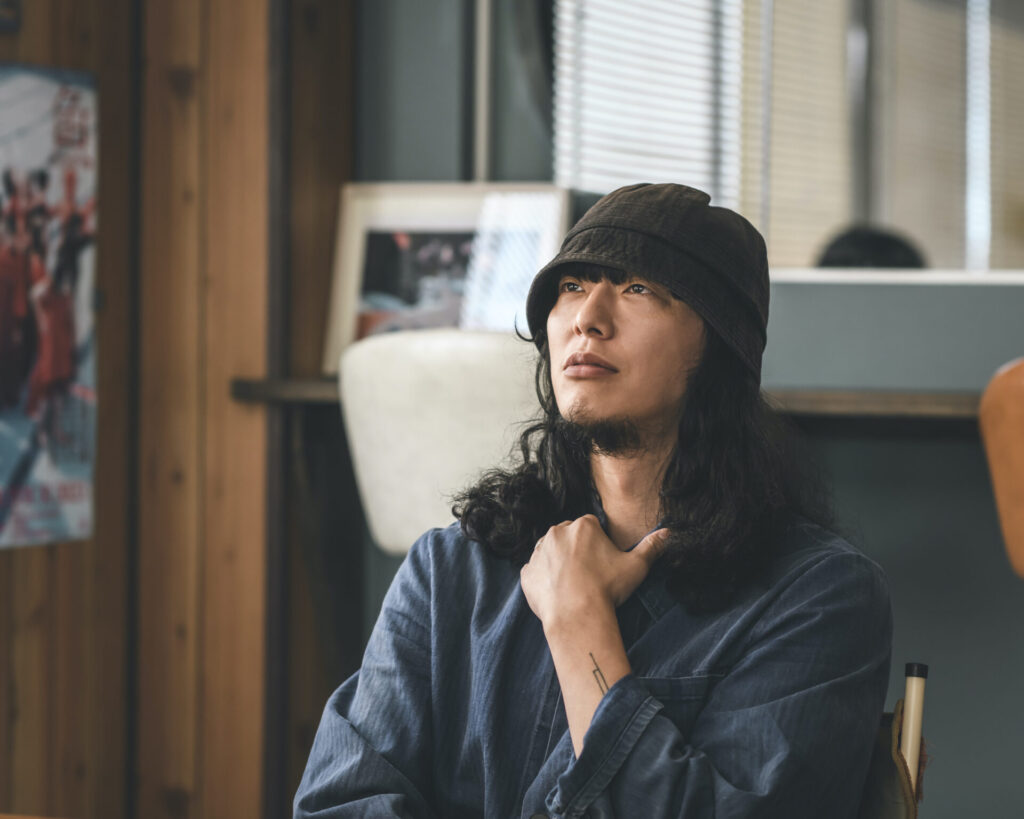
“The fact that Mizumaki can pick a fight with Tokyo through dancing is what makes me incredibly proud.” (ayumugugu)
Shigeta: I first became captivated by yurinasia during the COVID pandemic, when I watched footage of dancing set to Tempalay(*)’s “Great Tokyo Expo.” I vividly remember thinking, “Whoa, what is this!” the instant I saw it.
She was smiling while the lyrics say “crying,” and her facial expression was incredibly real. I felt the world of the lyrics kept flowing into my head. It made me realize once again that dancing is truly a form of physical expression.
Another powerful encounter was a TV commercial for Pocari Sweat. The worldview conveyed through the visuals was so striking. When I found yurinasia’s name in the choreography credits, I thought, “Oh, that makes sense.” At the same time, it made me aware of what really clicks with me about dance. Was Pocari Sweat a challenging project? The commercial I remember featured a high school girl running down a hallway.
yurinasia: Being involved in the Pocari Sweat commercial is always challenging. I’ve been involved three times so far. In the TV commercial you saw, I participated as an acting director. The director asked me to teach “natural and human-like running.”
Shigeta: That explains why the way she ran felt so powerful.
yurinasia: Running itself is also a form of physical expression. Running without thinking about anything versus running as if you’re chasing someone results in completely different movements. That’s actually what we realized while working on it.
At one point, Ms. Sena Nakajima, the actress, the director, and I all ran 100 meters together, competing to see who could run it in the most wild, instinctive way. We were just running, but it was incredibly fun.
Shigeta: Going back to the topic of beliefs — would you say that continuing to dance in Mizumaki is also one of your beliefs?
yurinasia & ayumugugu: Yes, definitely.
Shigeta: For what reasons?
ayumugugu: If you compare Tokyo and Mizumaki in terms of strength, Tokyo is overwhelmingly stronger in almost every way, right? And yet, the fact that a “weaker” place like Mizumaki can pick a fight with Tokyo through dancing — that makes me incredibly proud.
What’s more interesting is that the ones picking that fight aren’t dancers from elite studios, but people from a local community center — and that setup is what makes it fascinating.
Every year, you have a dancer from the community center in Mizumaki competing in a dance competition alongside dancers from famous studios or sponsored kids. Doesn’t that just feel good?
It might sound a bit sneaky, but that’s exactly what makes it interesting — and it’s one of the reasons why we stay committed to Mizumaki.
yurinasia: So it was sneaky, huh? (laughs) But at the same time, it’s sharp and edgy — that’s why it’s interesting.
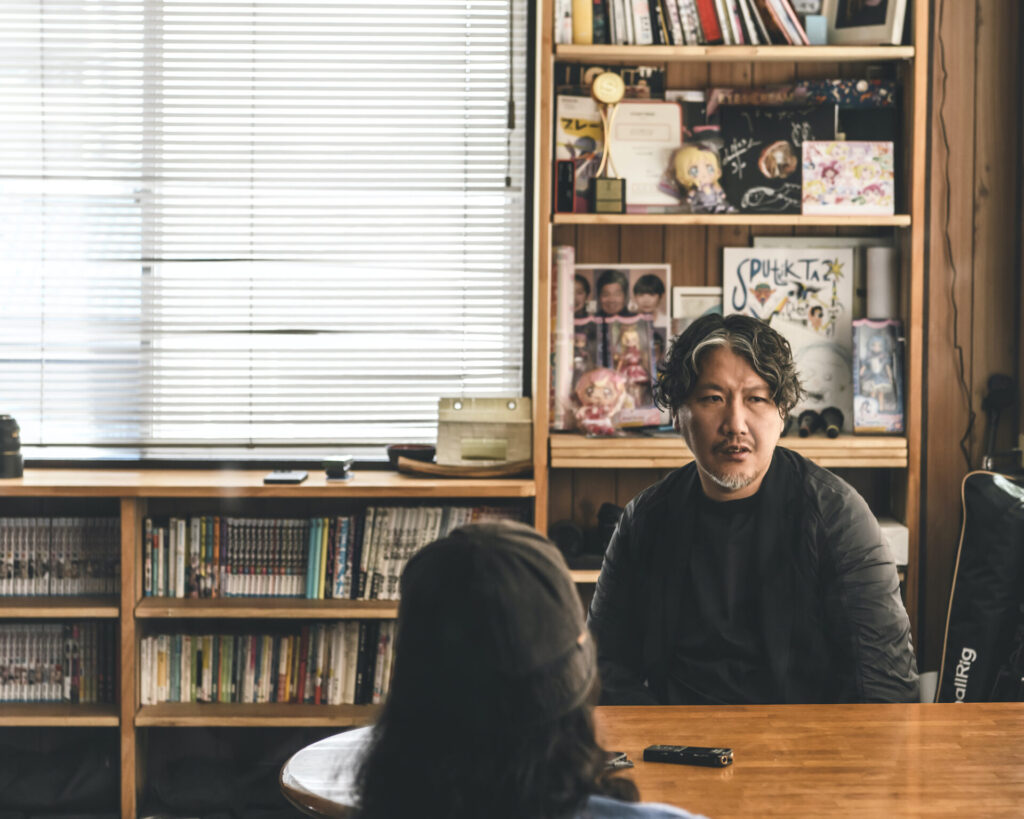
Shigeta: Do you also have a desire to protect your lifestyle here?
yurinasia: Of course. Having our parents nearby definitely makes it easier to work.
But more than that, I find it really fascinating that so many people — students, and even people from overseas — gather in such a rural place.
——That’s exactly the “miracle of Mizumaki.” Do people ever come to observe because they want to start a similar school themselves?
yurinasia: Yes, that does happen.
——What kind of advice do you give them?
ayumugugu: We always tell them that they would never succeed if they take the exact same approach. It’s fine to pick up certain elements they find helpful, but in the end, they have to think things through on their own. We didn’t get to where we are by copying anyone else. Nothing new will be born from imitation.
yurinasia: Figuring out our own way — that’s where the fun is.
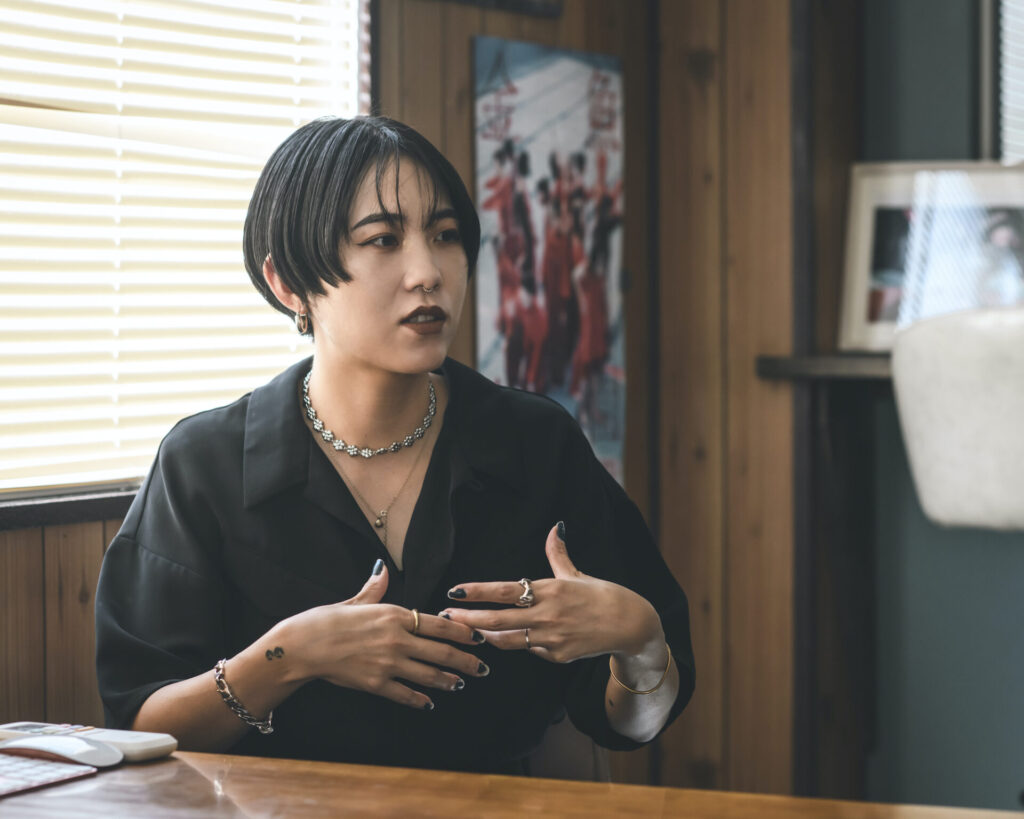
“Rather than just accepting them as students, I approach them more like watching over a relative’s child.” (yurinasia)
Shigeta: At jABBKLAB, the relationship between instructors and students feels different from typical dance schools. I sense a strong commitment to accepting each student as they are. It seems to be less about dance techniques and more about how you engage with people as individuals. What’s your mindset around that?
yurinasia: I try to meet them at eye level. Also, rather than just accepting them as students, I approach them more like watching over a relative’s child. If they misbehave, I don’t hesitate to scold them.
ayumugugu: You really do scold them, don’t you?
yurinasia: Maybe that’s why they call me “Mama.” (laughs)
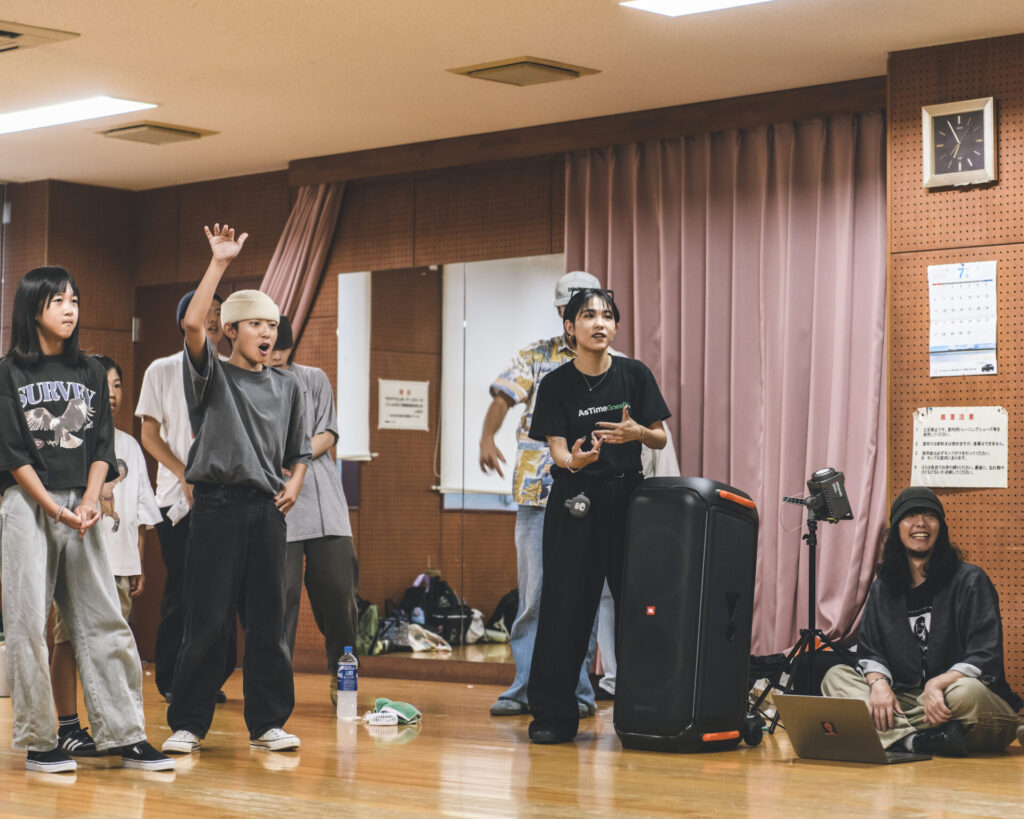
——What are the main reasons you find yourself scolding the students?
yurinasia: For example, when they don’t listen to people, or when they disrupt the atmosphere. I feel that I often scold them for behaviors that simply wouldn’t be acceptable as a member of society.
ayumugugu: Bullying is absolutely unacceptable.
yurinasia: That’s the one thing I hate the most. Whenever I notice something like that, I immediately call them over and say, “Come here — what did you just do?” Pretending not to see it, leaving it unaddressed without getting angry — that’s what feels insidious to me.
We hardly ever scold them for their dance skills. If someone really wants a serious critique on their dancing, I’ll tell them, “Come back when you want that,” and set aside a separate time for it. What I honestly can’t stand is when something essential as a human being is missing.
Having said that, I don’t feel like I’m there to teach common sense.
——Don’t you ever worry after scolding someone?
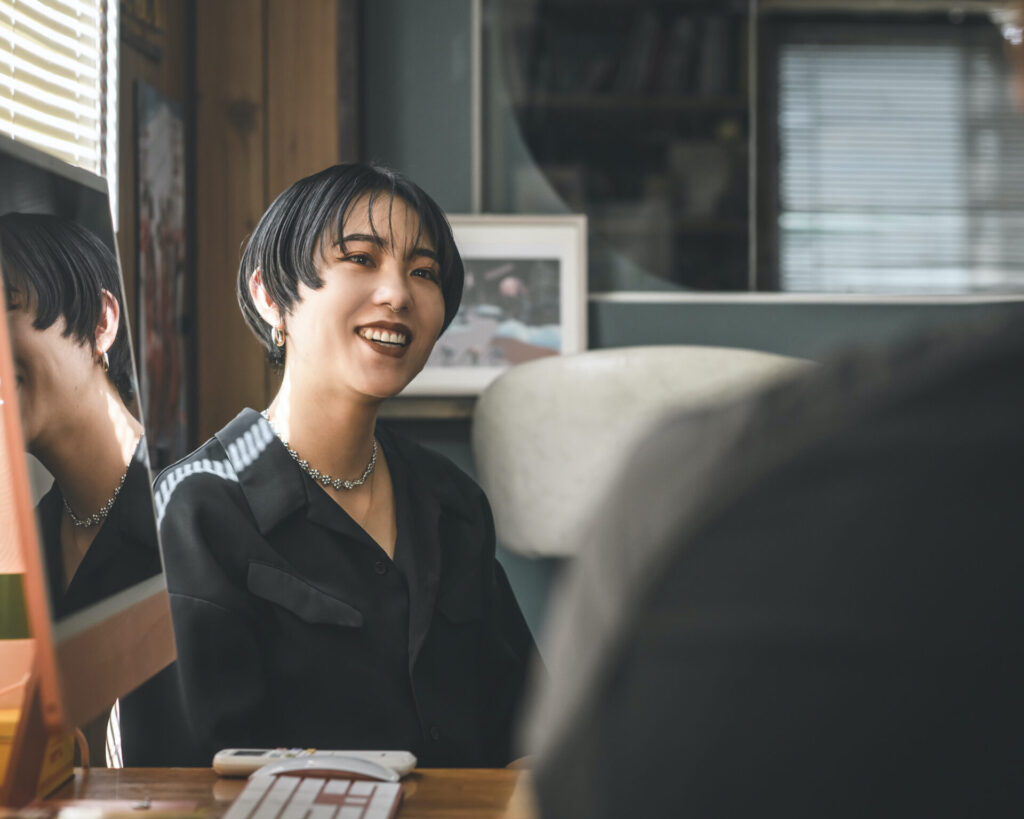
yurinasia: If I sense that they’re feeling down, I’ll hug them tightly from behind — and that’s it. (laughs)
I always try to communicate with them as if we were a real family. I don’t think anyone dislikes that. If someone truly feels uncomfortable here, they’ll naturally choose to go somewhere else.
Above all, I start by sharing unconditional love.
Shigeta: What kind of advice do you give to students who struggle to fully express their individuality?
ayumugugu: In many cases, we don’t say anything. Everyone has moments when they think, “It hasn’t clicked yet.” In that case, we wait for their engine to start.
Some students suddenly find their switch and break through.
yurinasia: Someone who seems quiet on the surface might actually be in the middle of going through their own process of self-expression. In those cases, we try to affirm their actions and say things like, “That direction works too.”
Shigeta: It really doesn’t make sense for others to judge whether someone is expressing themselves or not.
ayumugugu: Being silent can actually be a strength — that’s something unique to dance. Dance isn’t only about bright, hyped-up performances. There can also be more inward physical expressions that delve into one’s inner world.
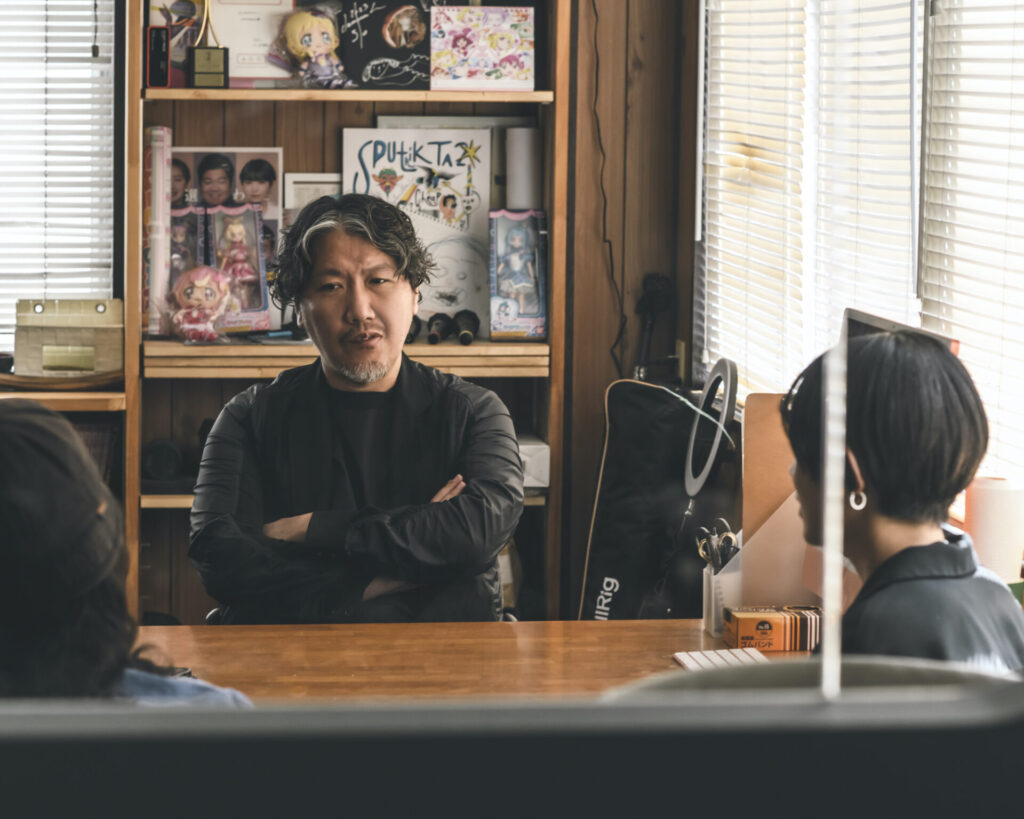
“I’m always impressed by how you bring in just the right track at just the right moment.” (Shigeta)
Shigeta: These days, I discover most of the cool tracks through jABBKLAB’s YouTube videos. How do you approach music selection?
ayumugugu: Basically, yurinasia handles the selection. We try not to focus on that, but since the numbers are constantly visible on social media, seeing low numbers can be discouraging. After all, it’s disheartening when our videos don’t get views.
So sometimes, when choosing a track, we do think about how to increase the number of views.
yurinasia: Lately, I feel balance is really the key.
ayumugugu: Yes, including the emotional balance of students.
Shigeta: So, you’re constantly reading the overall balance and choosing the right track for that time.
yurinasia: Exactly. When you suddenly hear a RIP SLYME track, you might immediately associate it with a hot, summery image, right? But that’s not all for us.
We want to dance to RIP SLYME in a way that’s different from the image people usually have. We’ve always taken pride in translating that intention into the visuals — through both styling and choreography.
——You once mentioned in a media interview that “the way we listen to music is different.”
yurinasia: Both of us are very hungry when it comes to sound. I originally wanted to become a musician. I’m a dancer now, but I don’t want people to see me as someone who simply moves their body. I want them to see how the body itself becomes an instrument.
Shigeta: Do you ever get reactions from the musicians whose track you chose?
yurinasia: Yes, they are truly happy — like “Yes! Here it is!” As we’re music lovers ourselves, we want them to feel that joy.
Shigeta: I’m always amazed by how you bring in just the right track at just the right moment.
yurinasia: I’m happy to hear it. Honestly, that’s exactly what we’re aiming for.
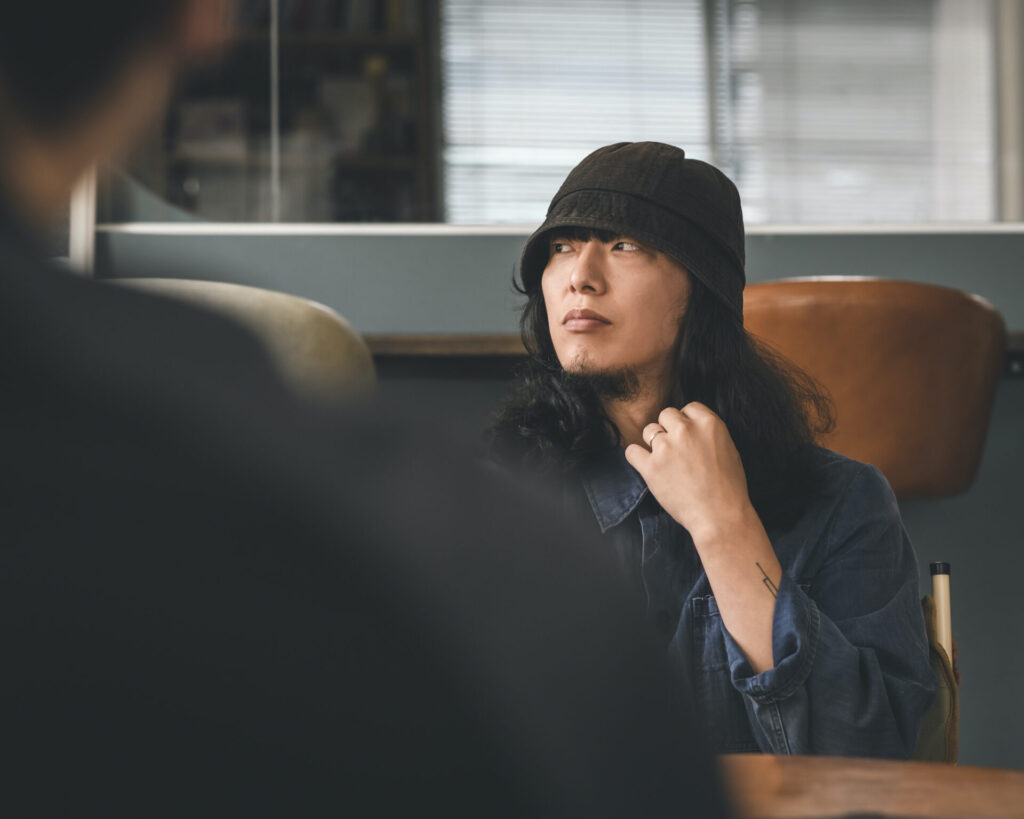
“While there are differences in what we like, when it comes to what we don’t like, we’re very much aligned.” (ayumugugu)
Shigeta: The way you two work together as a married couple feels almost miraculous. May I ask how that kind of partnership came to be — and what the secret behind it might be?
yurinasia: We actually talked about that just last night on an internet radio program. We invited two former students — now adults — as guests, and they said to us, “You two really are a miracle couple.”
ayumugugu: To be honest, we don’t really know ourselves. (laughs)
Shigeta: When we worked together on a shoot a while ago, I was struck by how openly you exchanged creative opinions and never fell into a tense atmosphere, but neither of you compromised, either.
I initially planned to invite only yurinasia this time, but on second thought, I changed my mind and asked the two of you to come together.
ayumugugu: Something I’ve been realizing lately is that the things I find uncool and the things yurinasia finds uncool are remarkably similar. When it comes to what we like, there are differences — like how I like comedy. But when it comes to what we don’t like, we’re very much aligned.
Shigeta: That’s quite fascinating.
ayumugugu: Even when we’re shooting a video, we both know which camera angles the other dislikes, so we can just avoid them from the start. Because of that, we never have to argue, “That looks uncool.”
Shigeta: The idea of sharing dislikes feels incredibly profound. We tend to focus on having the same likes, but this feels much deeper than that.
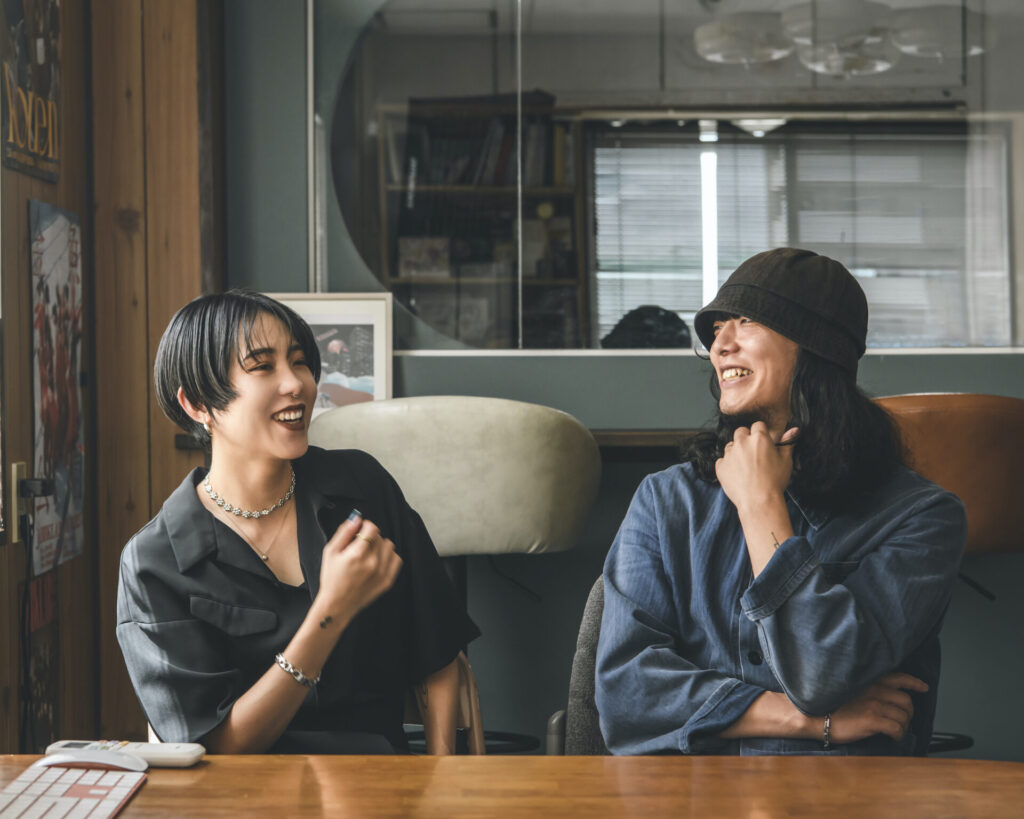
ayumugugu: The things that make us cringe are really similar.
yurinasia: When that happens, we just look at each other, don’t we? (laughs)
Shigeta: Even if what you like is slightly different, as long as chemistry is constantly happening between you, the possibilities are virtually limitless. Listening to you, I think I finally understand the secret to a good marriage.
May I ask about your future ambitions?
ayumugugu: Ultimately, we just want to keep doing things that feel interesting.
yurinasia: Same for me. Rather than having some concrete plan, I simply want to keep doing interesting things. I want to keep feeling that sense of excitement you get when starting something new.
Shigeta: Do you feel a sense of routine or stagnation creeping into your daily activities?
yurinasia: I don’t — and I’ve consistently tried not to. That said, even if you don’t fall into a routine yourself, people around you can gradually start to. So, I want to keep doing things that surprise them without being swept up in that flow.
It doesn’t have to be limited to dance — it could be film, or anything else. I just want us all to do something crazy.
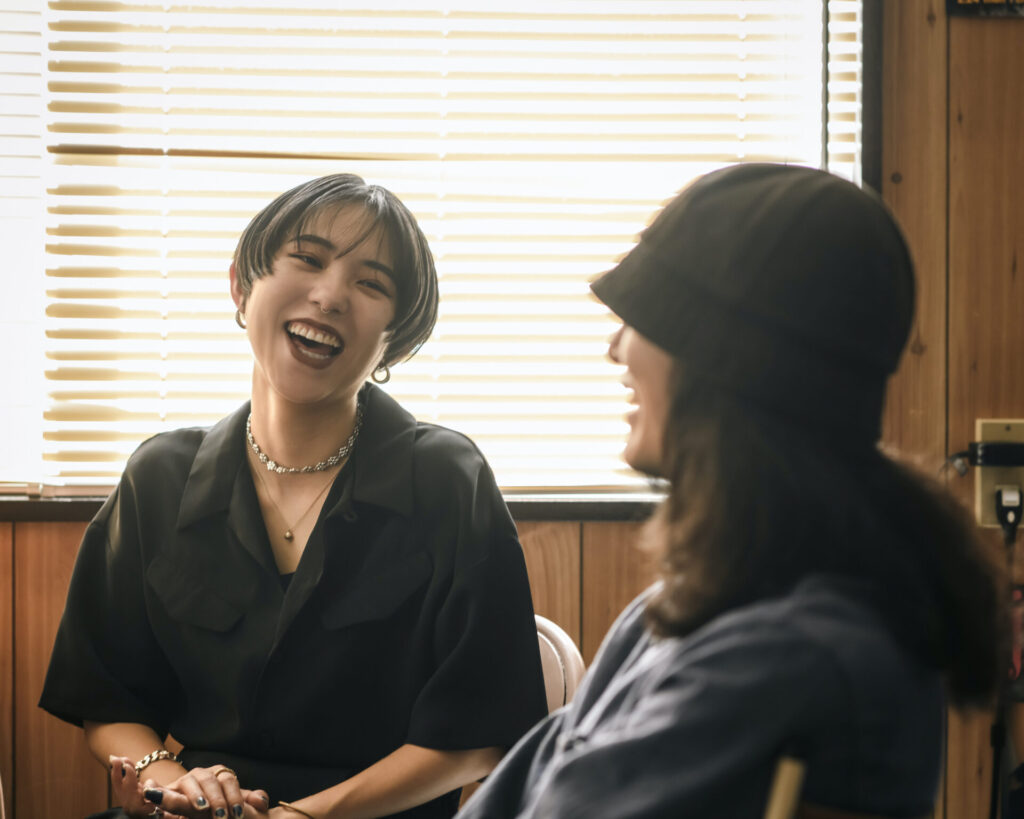
ayumugugu: We used to do a lot of crazy things in the past. Lately, though, we’ve been so busy that we haven’t really been able to do that anymore.
yurinasia: Actually, we were talking with two of our beloved former students just last night about doing some “boyish adventures” next time — like jumping into the ocean without thinking twice, even when you’re wearing one pair of underwear. I’d be happy if we could do that kind of thing again.
ayumugugu: Ever since we incorporated jABBKLAB, it feels like we’ve been constantly tightening the screws. Maybe it’s time to loosen them a little bit.
yurinasia: After becoming a mother, I got too caught up in trying to be a “good mother,” and somewhere along the way, I forgot about playing.
Shigeta: When you can play that way, discussions about tasks and goals start to feel almost meaningless. Even if you set a goal, once you stumble upon something far more interesting along the way, it makes much more sense to change course and set a new one.
Relentlessly pushing toward the goal you set at the beginning — no matter what happens along the way — isn’t much fun, right? I think the most enjoyable kind of organization, ultimately, is one where you have people who share the feeling of, “Let’s take a little detour and see if we can find something interesting.”
Deep down, people probably all want to do things that are truly fun. And yet, many of us live with that impulse sealed off somewhere inside, unable to take the first step. That’s precisely why people are drawn to jABBKLAB — because you actually put those impulses into action, and people start thinking that they might get involved in it if they get the chance.
Including those expectations, I realized once again that jABBKLAB is, in many ways, a truly symbolic presence.
——Earlier, Mr. Shigeta mentioned that you had worked together on a shoot a while ago. Would you tell us about that?
Shigeta: I asked the two of them to appear in — and help create — a film that conveys our company’s corporate message.
Over the past year or so, I’ve been thinking deeply about how to communicate that message. The more clearly I tried to articulate the kind of person I want our staff to be for our customers, and the kind of life I want to encourage them to have, the more vividly her face came to mind. At a certain point, I felt she was the only choice. When I reached out to her, she kindly accepted, and that’s how we ended up creating the film together.
yurinasia: It was an enjoyable shoot. Everyone genuinely looked like they were having fun, and that kind of energy on set is quite rare.
Shigeta: The shoot itself was actually pretty challenging — it rained nonstop the entire time. But those rain scenes were really beautiful, too. I remember feeling wrapped in a sense of euphoria, and the physical exhaustion felt pleasant.
We all gathered as complete strangers at first, but as the shoot went on, everyone gradually opened up to one another — and that made me really happy.
ayumugugu: It felt like being at an outdoor school.
yurinasia: It was genuinely so much fun — I felt like I’d gone back to being a fifth grader.
——Are you dancing in the film, Mr. Shigeta?
Shigeta: No, I’m not.
yurinasia: Let’s dance together next time! (laughs)
Shigeta: Well, we’ll see about that. (laughs)
Thank you very much for joining us today.
*Tempalay
Formed in 2014, Tempalay is a three-piece band consisting of Ryoto Ohara, Natsuki Fujimoto, and AAAMYYY. The band performed at FUJI ROCK FESTIVAL in 2015 and released their debut EP, Instant Hawaii, in September of the same year. Since then, they have released multiple EPs and full-length albums. In 2024, Tempalay held its first-ever solo performance at Nippon Budokan.
Profile
-
yurinasia
Born in Fukuoka in 1992, yurinasia began attending a dance school at a local community center when she was in her third year of junior high school and, just a few months later, was promoted to instructor. In 2013, at the age of 20, she established jABBKLAB. The following year, she married dancer ayumugugu, and the two have operated the school together ever since.Together with ayumugugu, she has performed as the dance duo botanic, and they have won numerous awards at dance competitions, including being selected as a finalist at JAPAN DANCE DELIGHT vol.23 in 2016. In recent years, yurinasia has expanded her activities — appearing in music videos by well-known musicians and choreographing for TV commercials. She is also a mother of two.
ayumugugu
Born in Oita in 1988, ayumugugu first encountered breakdancing in his second year of high school. In his fourth year at university, he won the Japan qualifier for BATTLE OF THE YEAR — one of the world’s largest breakdancing competitions — and competed at the world finals representing Japan.Having performed as a backup dancer for BIGBANG, a renowned K-pop group, he is highly respected in Japan’s underground dance scene. In addition to his career as a breakdancer, he is also an active videographer, filming and editing dance videos from jABBKLAB’s lessons for same-day upload to YouTube.
He currently serves as the representative of jABBKLAB and head of the Fukuoka Branch of JDSF BREAKING (Japan DanceSport Federation BREAKING), deeply committed to nurturing the next generation of breakdancers.
-
Masakazu Shigeta
After working as an engineer in the music industry, Shigeta began his career as a cosmetics developer in 2001. From 2004, he worked on various cosmetics brands in the healthcare business of Nitto Denka Kogyo Co., Ltd., a metal surface treatment company founded by his great-grandfather. In 2017, he founded “OSAJI,” a skincare lifestyle brand, and became its brand director. In 2021, as a new store of “OSAJI,” he produced “kako,” a specialized shop for home fragrances and perfume in Kuramae, Tokyo. In the following year, he opened a combined shop of “OSAJI,” “kako,” and a restaurant, “enso,” in Kamakura, Kanagawa. In 2023, utilizing the technical skill of Nitto Denka Kogyo, he launched a pottery brand, “HEGE,” and in October of the same year, he became CEO of OSAJI Inc. He also has published books on beauty and held cooking classes and events focusing on food, which is the origin of beauty. He released a collaborative album with F.I.B JOURNAL called “Gensho hyphenated” in November 2024 and has been expanding the range of activities.
Publications
Taberu Biyou (Eating for Beauty) (SHUFU TO SEIKATSU SHA, 2024)
42-Sai ni Nattara Yameru Biyou, Hajimeru Biyou (Beauty cares to quit and start when you turn 42) (Takarajimasha, 2022)
Information
jABBKLAB
Founded in 2013, jABBKLAB is a dance hub based at a local community center in Mizumaki, Fukuoka Prefecture. The lessons bring together members of all ages — from preschoolers to adults — offering high-level training that emphasizes individuality and personal expression.
More than a conventional dance school, jABBKLAB fosters deep relationships of trust that extend beyond the classroom. It has produced many award-winning dancers in national competitions, while many of its members have also appeared in music videos and TV commercials.
In 2020, it was incorporated as jABBKLAB Inc., with ayumugugu serving as its representative. Since 2023, it has presented its independent dance performance series, Kingyo Kouen (literally “Goldfish Park”), touring cities such as Tokyo and Osaka, where its powerful performances have consistently captivated audiences.
The name jABBKLAB combines “JAB”, “CLUB”, and “LABO”.
https://www.jabbklab.com
-
Photographs:Eisuke Komatsubara
-
Text:Masahiro Kamijo

NEWS LETTER
理想論 最新記事の
更新情報をお届けします
ご登録はこちら
ご登録はこちら
メールアドレス
ご登録ありがとうございます。
ご登録確認メールをお送りいたします。